
How to Stretch and Strengthen Your Pelvic Floor
A third of women and 16% of men will experience some kind of pelvic floor disorder in their lifetime, statistics show
GLP-1 usage is on the rise, and researchers are looking for other health benefits associated with the drug, including its effects on bladder health.
But as GLP-1s rise in popularity, so do nicknames like “Ozempic breasts” and “Ozempic face.” Now, a new side effect has come to light: “Ozempic vagina.”
It is not a medical diagnosis, but is colloquially used to refer to vaginal changes that may take place due to GLP-1s’ impact on muscle mass, hormones and the gastrointestinal system. Pelvic floor specialists warn that rapid weight loss and common GLP-1 side effects, such as constipation, can result in pelvic floor dysfunction and an array of uncomfortable symptoms, including ones that may impact users’ sex lives.
“If you’re using a GLP-1, and you’re losing weight too rapidly, it’s going to have a massive impact on the tissue and muscles everywhere,” explains Kathy Kates, nurse practitioner and pelvic floor specialist. “People talk about ‘Ozempic face.’ It’s the same thing. You’re losing fat, you’re losing tissue integrity, and all those things matter for a healthy pelvic floor.”
How GLP-1 usage impacts women’s health
Vaginal changes from GLP-1 use can include decreased lubrication, vaginal dryness, loss of pelvic floor strength, and symptoms associated with a weakened pelvic floor, such as bladder leakage and painful sex.
Constipation is also a common side effect of GLP-1, and strains the pelvic floor muscles, increasing risk for pelvic organ prolapse, bladder or fecal incontinence and chronic pain. Experts estimate that up to 50% of people with long-term constipation also have pelvic floor dysfunction.
Kates has a lot of patients on GLP-1s, and she’s prescribing microdoses to help patients with cycle regulation and underlying inflammatory conditions.
“With the microdosing, you don’t see the significant GI effects that you see on the more standard doses,” Kates explains.
“People want to just drop the weight like that, and you can’t, because it will negatively impact your pelvic floor function, the muscle tone, and the motor control,” she says.
Targeted research on GLP-1s and pelvic floor dysfunction is limited. However, there is a link between obesity and overactive bladder syndrome.
A November 2025 study found that GLP-1 receptor antagonist (RA) use, including semaglutide, was associated with reduced rates of urinary retention and urinary tract infections (UTIs) in non-diabetic women receiving treatment for overactive bladder syndrome. A current study sponsored by Hartford HealthCare aims to understand how weight loss treatments impact pelvic floor symptoms. It is in the early stages, according to ClinicalTrials.gov.
How to mitigate uncomfortable pelvic floor symptoms
The first course of action for easing uncomfortable pelvic floor symptoms related to GLP-1s is to ease constipation.
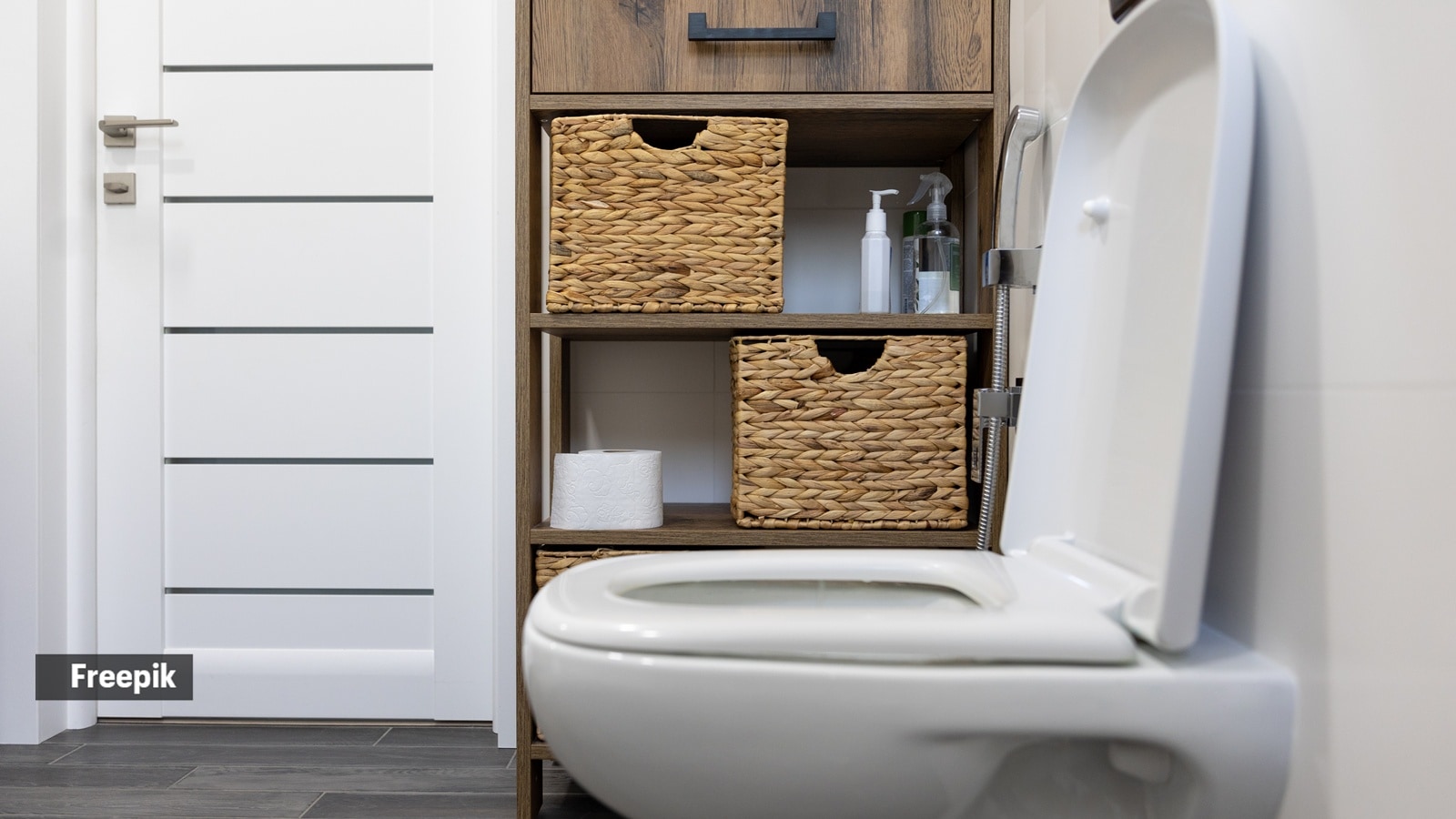
Kates recommends using a Squatty Potty, whether it be an actual stool or just a stack of books to prop your feet up. As soon as you raise your knees above your hips, your colon straightens into the ideal position to pass a bowel movement without straining, according to Kates and WebMD.
Diaphragmatic breathing, also known as belly or abdominal breathing, is a deep breathing technique that helps stretch and lengthen the pelvic floor muscles. It helps those muscles relax while building strength and flexibility.
“If you don’t start from length, you can never build strength,” Kates says. “In all the articles that we read about the pelvic floor, and everyone’s like, ‘Just do Kegels…’ Kegels aren’t right for everybody, but diaphragmatic breathing is right for everybody.”
link
About the Author